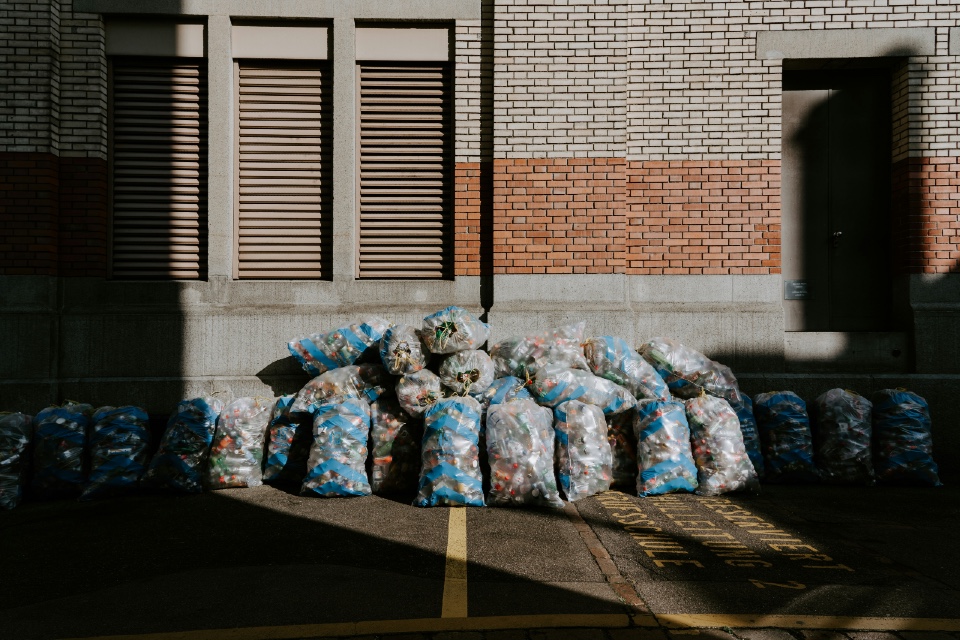




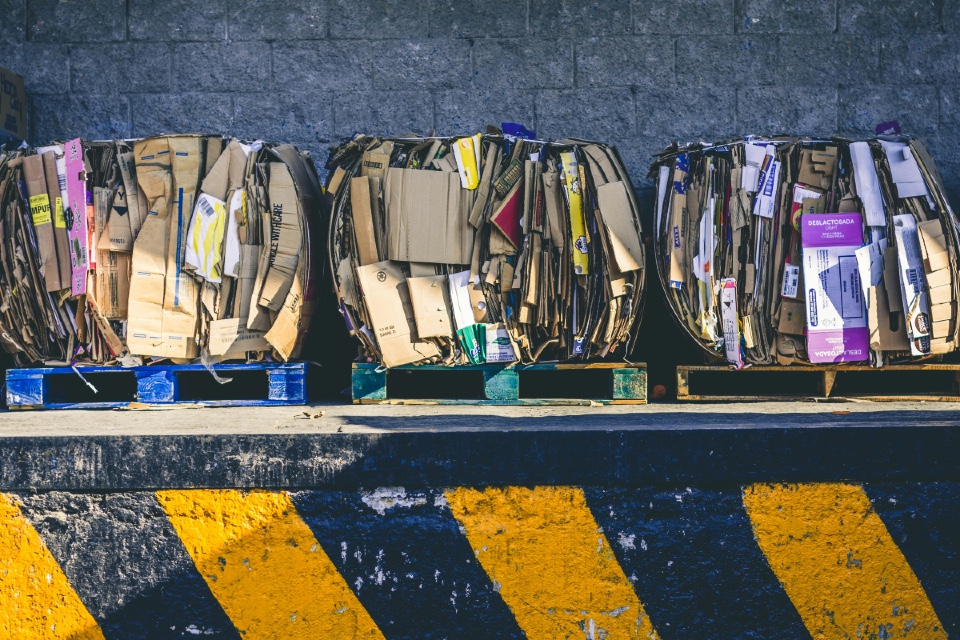
Waste disposal is a growing operational challenge for facilities managers. Rising disposal costs, increasing recycling requirements, limited storage space and stricter environmental expectations mean organisations are under pressure to manage waste more efficiently than ever before.
For many businesses, investing in a waste compactor can reduce waste volumes, lower collection costs and improve site safety. However, choosing the right system requires more than comparing purchase prices. Capacity, waste streams, servicing requirements and operational workflows all play an important role in determining whether a compactor will deliver long-term value.
This guide explains the different types of waste compactors available, how facilities teams should compare them and the key questions to ask suppliers before making an investment.
At a Glance: Waste Compactor Comparison
| Feature | What Buyers Should Compare |
|---|---|
| Waste type | General waste, cardboard, plastics or mixed recycling |
| Capacity | Daily waste volumes and future growth |
| Installation | Indoor, outdoor and space requirements |
| Safety | Emergency stops, guarding and operator protection |
| Loading method | Manual, wheelie bin, skip or chute-fed |
| Servicing | Preventative maintenance and breakdown support |
| Ownership | Purchase, lease or hire options |
| Reporting | Fill-level monitoring and operational data |
What Is a Waste Compactor?
A waste compactor is a machine that compresses waste materials, reducing their volume before collection or disposal.
By compacting waste, organisations can often fit significantly more material into a container, reducing collection frequency while making better use of available space.
Depending on the application, waste compactors may process:
- General waste
- Cardboard
- Plastic packaging
- Dry mixed recycling
- Industrial waste
- Manufacturing offcuts
- Retail waste
- Distribution centre waste
Many organisations install compactors as part of wider waste management and sustainability strategies aimed at reducing vehicle movements, improving recycling rates and lowering disposal costs.
The Environment Agency’s guidance on waste management encourages businesses to apply the waste hierarchy by reducing waste where possible and improving resource efficiency.¹
Commercial Waste Compactors
Commercial waste compactors are used across a wide variety of sectors, including offices, hospitals, schools, hotels, shopping centres and logistics facilities.
The most suitable system depends largely on the type and quantity of waste being produced.
For example, an office generating mainly paper and packaging may require a different solution from a supermarket managing food waste or a distribution centre handling large volumes of cardboard.
Before approaching suppliers, facilities managers should understand:
- Daily waste volumes
- Waste composition
- Available space
- Collection schedules
- Existing contractor arrangements
- Future business growth
A clear understanding of operational requirements makes it much easier to compare equipment specifications.
Waste Compactor Machine Types
There are several different categories of waste compactor machine, each designed for particular environments.
Common options include:
- Static compactors
- Portable compactors
- Bin compactors
- Roller compactors
- Bag compactors
- Vertical compactors
- Horizontal compactors
Rather than selecting equipment based solely on compaction force, buyers should consider how well the system fits existing waste handling processes.
Static compactors
Static compactors are often used by organisations producing large quantities of dry commercial waste.
The compaction unit remains fixed while waste containers can be exchanged when full, making them suitable for high-volume operations.
Portable compactors
Portable compactors combine the compaction mechanism and waste container into a single unit.
They are commonly used where waste may contain liquids or where transporting the entire unit is more practical than changing containers.
Bin Compactor Systems
Bin compactors are designed to reduce the volume of waste placed into standard bins or smaller waste containers.
They are particularly useful where space is limited or where frequent waste collections create unnecessary operational costs.
Applications may include:
- Offices
- Hotels
- Retail stores
- Care homes
- Educational buildings
- Leisure facilities
Because they often require less installation space than larger compactors, they can provide a practical solution for sites with relatively modest waste volumes.
Buyer Tip
A larger compactor isn’t always the better investment. Matching equipment capacity to actual waste volumes can improve efficiency while avoiding unnecessary capital and servicing costs.
Industrial Waste Compactor Solutions
Industrial waste compactors are designed for more demanding operational environments.
Manufacturing plants, warehouses and distribution centres often generate bulky packaging, pallets, plastics and production waste that require higher-capacity equipment.
Facilities managers should consider:
- Peak waste generation
- Shift patterns
- Loading frequency
- Forklift access
- Vehicle movements
- Collection schedules
Equipment should support operational workflows without creating bottlenecks or increasing manual handling requirements.
Waste Compactor Hire
Purchasing equipment may not always be the most appropriate option.
Waste compactor hire allows organisations to access equipment without significant upfront capital expenditure.
Hire may be particularly suitable for:
- Short-term projects
- Construction sites
- Seasonal operations
- Temporary facilities
- Business trials
- Budget constraints
Some suppliers also offer lease and managed service arrangements that include maintenance, inspections and replacement equipment.
Facilities teams should compare the total cost over the expected contract period rather than monthly hire charges alone.
Safety Considerations
Waste compactors contain powerful hydraulic systems and moving components, making safe operation essential.
Modern systems may include:
- Emergency stop controls
- Interlocked access doors
- Safety guarding
- Overload protection
- Automatic shutdown
- Warning indicators
- Operator training
Facilities managers should ensure equipment complies with relevant health and safety requirements and that operators receive appropriate instruction before use.
The Health and Safety Executive (HSE) provides guidance on the safe use and maintenance of workplace machinery.²
Maintenance Supports Safety
Preventative maintenance not only improves equipment reliability but also reduces safety risks associated with worn components or hydraulic failures.
Service agreements should clearly define:
- Inspection frequency
- Response times
- Replacement parts
- Emergency call-outs
- Planned servicing
- Operator support
A comprehensive maintenance programme can reduce downtime while extending equipment lifespan.
Waste Streams and Recycling
Waste compactors should support wider waste management objectives rather than simply reducing waste volume.
Facilities teams should consider whether different waste streams require separate equipment.
For example:
- Cardboard
- Plastic film
- Mixed recycling
- General waste
- Food waste
- Confidential waste
Separating recyclable materials before compaction may improve recycling performance while reducing disposal costs.
Organisations should also discuss waste segregation requirements with their waste contractor before selecting equipment.
Servicing and Lifecycle Costs
Initial purchase price represents only part of the total investment.
Whole-life costs may include:
- Installation
- Planned servicing
- Hydraulic maintenance
- Electrical inspections
- Replacement parts
- Energy consumption
- Operator training
- Equipment downtime
Comparing lifecycle costs often provides a more accurate assessment of long-term value than capital cost alone.
Suppliers should explain expected maintenance intervals and typical operating costs before purchase.
Monitoring and Smart Technology
Many modern compactors now incorporate digital monitoring capabilities.
These may include:
- Fill-level sensors
- Remote diagnostics
- Usage monitoring
- Collection alerts
- Energy reporting
- Maintenance reminders
Smart monitoring can help facilities teams schedule collections more efficiently while reducing unnecessary vehicle movements.
As organisations place greater emphasis on environmental reporting, access to accurate waste data is becoming increasingly valuable.
What Should Buyers Compare?
Selecting the right waste compactor involves understanding both operational requirements and long-term site objectives.
Facilities managers should compare:
- Capacity
- Waste compatibility
- Installation requirements
- Safety features
- Energy efficiency
- Maintenance arrangements
- Supplier support
- Hire and purchase options
- Digital monitoring
- Total lifecycle cost
The best solution is one that integrates smoothly with existing waste handling processes while supporting future operational needs.
Questions to Ask Potential Suppliers
Before selecting a waste compactor supplier, consider asking:
- Which compactor type is most suitable for our waste stream?
- What capacity do you recommend?
- Should we purchase, lease or hire?
- What installation work is required?
- How often does the equipment require servicing?
- What operator training is provided?
- Which safety features are included?
- Can the system support multiple waste streams?
- Are remote monitoring features available?
- What are your maintenance response times?
- What warranties are included?
- Can you provide similar commercial case studies?
Future Trends
Waste management technology continues to evolve alongside wider sustainability initiatives.
Emerging developments include:
- Smart fill-level monitoring
- AI-assisted collection scheduling
- Connected waste reporting
- More energy-efficient hydraulic systems
- Improved recycling integration
- Carbon reporting
- Predictive maintenance
- Greater automation
As organisations pursue environmental targets, waste compactors are increasingly being viewed as part of wider resource management strategies rather than standalone waste equipment.
Frequently Asked Questions
What does a waste compactor do?
A waste compactor compresses waste materials to reduce their volume, helping organisations improve storage efficiency and reduce collection frequency.
What is the difference between a bin compactor and a commercial waste compactor?
Bin compactors are generally designed for smaller waste containers, while commercial waste compactors are intended for higher waste volumes and larger operational environments.
Should we hire or buy a waste compactor?
This depends on waste volumes, available budget and operational requirements. Short-term projects may benefit from hire, while long-term users often consider purchase or leasing.
Can waste compactors improve recycling?
Yes. When combined with effective waste segregation, compactors can support more efficient handling of recyclable materials and reduce disposal costs.
How often do waste compactors require servicing?
Maintenance requirements vary by equipment type and usage levels. Suppliers should provide recommended servicing schedules and response times as part of their support package.
Related Reading
To learn more about commercial waste management, explore these related articles from Facilities Management Briefing:
- Understanding Waste Management Laws: A Primer for UK-Based Organisations
- Waste Management Month: Evaluating Your Organisation’s Options
- Waste Management Month: The Key Suppliers and All the Considerations
Product Guide
Delegates attending the Facilities Management Forum can meet specialist suppliers providing waste management, recycling and environmental services.
Featured Suppliers
1st Waste
Commercial waste management provider offering collection, recycling and waste consultancy services for organisations across multiple sectors.
Website: https://www.1stwaste.co.uk
BAM UK & Ireland
Facilities management provider delivering integrated FM services, environmental management and sustainability solutions across complex estates.
Website: https://www.bam.co.uk/capabilities/facilities-management
Circom
Waste and recycling specialists supporting organisations with circular economy solutions, resource recovery and environmental compliance.
Website: https://circom.co.uk
COAT Facilities Group
Integrated facilities management provider delivering environmental, waste management and support services across commercial estates.
Website: www.coatfacilitiesgroup.com
Contego Environmental Services Ltd
Environmental response and specialist waste management provider supporting organisations with hazardous waste, emergency response and environmental compliance.
Website: www.contegoresponse.com
Explore Waste Management & Waste Compactor Solutions
Choosing the right waste compactor can help facilities teams reduce disposal costs, improve site safety and support wider sustainability objectives. The most effective solutions combine the right equipment with expert servicing, operational advice and long-term support.
The Facilities Management Forum connects senior FM professionals with carefully selected suppliers of waste management equipment, recycling solutions and environmental services through a programme of pre-arranged one-to-one meetings.
Explore waste compactor solutions, compare suppliers and discover technologies that can help improve waste management across your organisation.
Sources
- Environment Agency – Waste hierarchy: guidance for businesses: https://www.gov.uk/guidance/waste-hierarchy-guidance-for-businesses
- Health and Safety Executive (HSE) – Work equipment and machinery safety guidance: https://www.hse.gov.uk/work-equipment-machinery/
Image credit: https://unsplash.com/photos/assorted-box-lot-on-brown-wooden-pallets-qph7tJfcDys