


Food waste has become a significant operational, financial and environmental challenge for organisations across the UK. Whether managing a hospital, university, corporate headquarters, hotel, retail estate or manufacturing facility, facilities teams are under increasing pressure to reduce waste, improve recycling rates and demonstrate compliance with evolving environmental regulations.
Modern food waste management software is helping organisations move beyond basic waste collection. By combining data, reporting, supplier management and operational insights, these platforms enable facilities managers to understand where waste is generated, identify opportunities for reduction and monitor recycling performance across one or multiple sites.
The most successful waste management strategies combine technology with practical operational improvements, ensuring that food waste is prevented where possible and recycled responsibly when it cannot be avoided.
This buyer’s guide explains how commercial food waste software and specialist services can help organisations improve compliance, reduce disposal costs and support wider sustainability objectives.
At a Glance: Commercial Food Waste Management
| Capability | What Buyers Should Compare |
|---|---|
| Waste monitoring | Waste tracking, analytics and reporting dashboards |
| Collection services | Collection frequency, coverage and service flexibility |
| Recycling | Anaerobic digestion, composting and recycling options |
| Compliance | Waste transfer documentation and regulatory reporting |
| Multi-site management | Centralised reporting across multiple locations |
| Integrations | CAFM, procurement and sustainability platforms |
| Alerts | Collection schedules, contamination warnings and service notifications |
| Supplier support | Account management, audits and consultancy services |
What Is Food Waste Management?
For this guide, Food waste management refers to the processes, services and technologies used to reduce, collect, recycle and report on food waste generated by an organisation.
Rather than simply arranging waste collections, modern food waste management aims to:
- Reduce waste generation
- Improve recycling rates
- Meet legal obligations
- Lower disposal costs
- Reduce environmental impact
- Improve operational efficiency
- Support sustainability reporting
According to the Waste and Resources Action Programme (WRAP) (https://wrap.org.uk/), preventing food waste remains the most effective way for organisations to reduce both environmental impact and operating costs.
Why Food Waste Management Is Important
Understanding why food waste management is important goes beyond compliance.
Poor food waste practices may result in:
- Higher disposal costs
- Pest activity
- Food safety risks
- Odour issues
- Increased carbon emissions
- Poor recycling performance
- Reputational damage
- Regulatory non-compliance
Conversely, organisations with effective food waste strategies often benefit from lower operational costs, improved environmental performance and stronger ESG reporting.
The UK Government’s Simpler Recycling reforms are also increasing expectations around the separate collection of food waste from businesses (https://www.gov.uk/guidance/simpler-recycling-in-england-policy-update).
FM Insight
Food waste should be viewed as an operational performance indicator rather than simply a waste disposal issue. The less food entering waste streams, the lower both purchasing and disposal costs become.
Commercial Food Waste
Managing commercial food waste presents different challenges from domestic recycling.
Facilities managers may oversee waste generated through:
- Staff restaurants
- Commercial kitchens
- Healthcare catering
- Hospitality venues
- Universities
- Retail food outlets
- Food manufacturing
- Events
Each environment has different collection frequencies, contamination risks and reporting requirements.
Software platforms can help facilities teams understand where waste is being produced and identify opportunities for operational improvements.
Commercial Food Waste Disposal
Effective commercial food waste disposal begins with segregation.
Food waste should normally be separated from:
- General waste
- Mixed recycling
- Packaging
- Glass
- Oils
- Hazardous waste
Dedicated collections reduce contamination while increasing opportunities for recycling and recovery.
Facilities managers should compare suppliers based on:
- Collection frequency
- Emergency collections
- Geographic coverage
- Container options
- Reporting capabilities
- Service responsiveness
Buyer Tip
Ask suppliers how they manage seasonal peaks. Organisations such as universities, hotels and event venues often experience significant fluctuations in food waste volumes throughout the year.
Commercial Food Waste Recycling
Rather than sending food waste to landfill, most organisations now use specialist commercial food waste recycling services.
Common treatment methods include:
- Anaerobic digestion
- Commercial composting
- Energy recovery
- Animal feed (where regulations permit)
Anaerobic digestion is increasingly used because it enables food waste to generate renewable energy and produce biofertiliser.
The Environment Agency (https://www.gov.uk/government/organisations/environment-agency) provides guidance on waste handling and environmental permitting for commercial waste operations.
Food Waste Management Software
Modern food waste management software provides visibility across the entire waste management process.
Typical capabilities include:
- Waste volume tracking
- Cost analysis
- Collection scheduling
- Bin monitoring
- Supplier performance
- ESG reporting
- Carbon calculations
- Multi-site dashboards
Rather than relying on manual spreadsheets, facilities teams can identify trends and benchmark performance across different sites.
Many platforms also integrate with procurement and catering systems to help identify where waste originates.
Methods of Food Waste Management
The most effective methods of food waste management follow the waste hierarchy.
This generally prioritises:
- Prevention
- Redistribution
- Animal feed (where appropriate)
- Recycling
- Energy recovery
- Disposal as a last resort
WRAP (https://wrap.org.uk/) encourages organisations to prioritise waste prevention before considering recycling options.
Think Prevention First
The most sustainable tonne of food waste is the one that is never created. Software can help identify waste hotspots before organisations invest in additional disposal services.
How to Manage Food Waste
Organisations considering how to manage food waste should develop a structured approach.
Best practice normally includes:
- Measuring current waste
- Identifying waste sources
- Improving forecasting
- Staff training
- Better stock management
- Separate waste collection
- Performance reporting
- Regular supplier reviews
Facilities teams should work closely with catering, procurement and sustainability colleagues to ensure improvements are embedded across operations.
Food Safety and Waste Management
One frequently overlooked consideration is which food safety hazards result from poor waste management.
Poorly managed food waste may contribute to:
- Pest infestations
- Cross-contamination
- Bacterial growth
- Slips and trips
- Odours
- Reduced hygiene standards
The Food Standards Agency (https://www.food.gov.uk/) recommends appropriate waste storage, segregation and removal as part of effective food hygiene management.
Regular collections and secure storage help reduce operational risks while supporting compliance with food hygiene requirements.
Reporting and Compliance
Reporting has become an increasingly important part of commercial waste management.
Useful reporting capabilities include:
- Waste volumes
- Recycling rates
- Collection history
- Carbon reporting
- Site comparisons
- Cost trends
- Supplier performance
- ESG reporting
Facilities managers should determine whether reporting supports both operational management and wider corporate sustainability objectives.
Compliance Matters
Ask suppliers what documentation is provided for every collection and whether reports can support environmental audits, ESG reporting and internal governance requirements.
Questions to Ask Potential Suppliers
When evaluating food waste management providers, consider asking:
- Which types of commercial sites do you support?
- What food waste software is included?
- How are recycling rates reported?
- Can reporting be consolidated across multiple sites?
- Which recycling methods do you use?
- How do you manage contamination?
- What compliance documentation is supplied?
- How quickly can additional collections be arranged?
- Can the platform integrate with our existing FM systems?
- What sustainability reporting is included?
- What consultancy support do you provide?
- How is pricing structured?
Frequently Asked Questions
What is food waste management?
Food waste management involves preventing, collecting, recycling and reporting on food waste generated by organisations.
Why is food waste management important?
Effective food waste management reduces costs, supports compliance, improves sustainability performance and minimises environmental impact.
What is food waste management software?
Food waste management software helps organisations monitor waste volumes, manage collections, analyse costs and produce compliance reports.
How is commercial food waste recycled?
Most commercial food waste is processed through anaerobic digestion or commercial composting, depending on the type of waste and local facilities.
Can software reduce food waste?
Yes. By identifying where waste occurs and measuring performance over time, software can help organisations improve purchasing, stock management and operational processes.
Related Reading
Continue exploring sustainable facilities management with these related articles from Facilities Management Briefing:
- Designing Out Food Waste in Hospitality: Four Stages to Sustainability
- Five Practical Ways to Boost Profit in the Food & Drink Sector
- Food Waste Impacting Net Zero Ambitions
Product Guide
Delegates attending the Facilities Management Forum can meet specialist suppliers providing waste management, recycling and environmental services.
Featured Suppliers
1st Waste
Commercial waste management provider offering collection, recycling and waste consultancy services for organisations across multiple sectors.
Website: https://www.1stwaste.co.uk
BAM UK & Ireland
Facilities management provider delivering integrated FM services, environmental management and sustainability solutions across complex estates.
Website: https://www.bam.co.uk/capabilities/facilities-management
Circom
Waste and recycling specialists supporting organisations with circular economy solutions, resource recovery and environmental compliance.
Website: https://circom.co.uk
COAT Facilities Group
Integrated facilities management provider delivering environmental, waste management and support services across commercial estates.
Website: www.coatfacilitiesgroup.com
Contego Environmental Services Ltd
Environmental response and specialist waste management provider supporting organisations with hazardous waste, emergency response and environmental compliance.
Website: www.contegoresponse.com
Explore Food Waste Management Solutions
Managing commercial food waste effectively requires more than arranging regular collections. The right combination of software, specialist services and operational improvements can help organisations reduce waste, improve recycling rates, strengthen compliance and support wider sustainability goals.
The Facilities Management Forum connects senior FM professionals with carefully selected providers of waste management, recycling and environmental solutions through a programme of pre-arranged one-to-one meetings.
Explore food waste management software solutions, compare specialist suppliers and discover technologies and services that can improve operational efficiency across your estate.
Sources
- Waste & Resources Action Programme (WRAP) – https://wrap.org.uk/
- UK Government – Simpler Recycling in England – https://www.gov.uk/guidance/simpler-recycling-in-england-policy-update
- Environment Agency – https://www.gov.uk/government/organisations/environment-agency
- Food Standards Agency – https://www.food.gov.uk/
- Chartered Institution of Wastes Management (CIWM) – https://www.ciwm.co.uk/
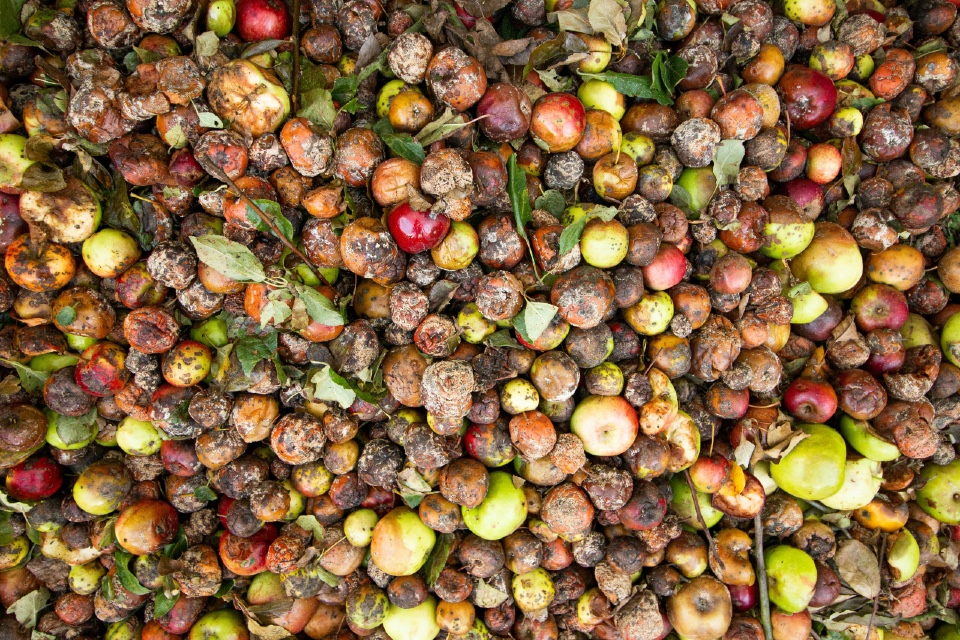
Image caption: https://unsplash.com/photos/a-bunch-of-fruit-that-is-laying-on-the-ground-aoU2CWG_Vhc