

The way UK organisations manage their buildings and infrastructure is undergoing a significant transformation. The latest facilities management industry trends show that Total Facilities Management (TFM) is no longer just about keeping the lights on and the floors clean. Instead, it has evolved into an integrated, technology-driven approach that combines smarter building management, sustainability, predictive maintenance and workplace wellbeing to improve operational performance. Here, we explore the key current and emerging trends shaping how UK public and private sector organisations are approaching TFM, based on input from attendees at the FM Forum.
Key Facilities Management Industry Trends to Watch
Technology Is Transforming Total Facilities Management
Technology continues to revolutionise TFM. Building Information Modelling (BIM), Internet of Things (IoT) sensors and artificial intelligence (AI) are becoming central to facilities management strategies. These technologies enable predictive maintenance, real-time monitoring of energy usage and data-driven decision-making, helping organisations optimise building performance while reducing operational costs.
Sustainability Remains a Strategic Priority
Sustainability continues to shape facilities management investment. TFM providers are increasingly delivering solutions that improve energy efficiency, reduce waste and minimise environmental impact. Initiatives such as LED lighting upgrades, smart water management systems and enhanced recycling programmes are helping organisations reduce carbon emissions while supporting wider ESG objectives.
Integrated Service Delivery
The move away from siloed FM services continues to gather pace. Organisations are increasingly adopting integrated TFM contracts that combine hard services, such as maintenance and security, with soft services, including cleaning and catering. This joined-up approach improves efficiency, simplifies supplier management and can deliver significant cost savings.
Data-Driven Building Management
Data analytics is playing an increasingly important role in modern facilities management. TFM providers are using operational data to identify performance trends, optimise resource allocation and support more informed decisions around maintenance, refurbishment and future building investments.
Future Trends Shaping Total Facilities Management
Workplace Wellbeing
Employee wellbeing is becoming a key consideration in facilities management strategies. Future TFM solutions are expected to place even greater emphasis on creating healthier, more comfortable workplaces through initiatives such as improved indoor air quality monitoring, ergonomic workspaces and increased access to natural light.
Flexible Space Management
The concept of Space as a Service (SaaS) is gaining momentum, giving organisations greater flexibility in how workplace environments are managed. Rather than owning and maintaining every aspect of their facilities, businesses can increasingly access flexible space management services that adapt to changing operational needs and hybrid working models.
Cybersecurity for Smart Buildings
As buildings become more connected through digital technologies, cybersecurity is becoming an essential element of facilities management. Protecting building systems, operational data and connected infrastructure against cyber threats will continue to grow in importance as smart building adoption increases.
Predictive Maintenance
Predictive maintenance remains one of the most influential trends in TFM. By combining sensor data with advanced analytics, facilities managers can identify potential equipment failures before they occur, reducing downtime, lowering maintenance costs and improving asset performance throughout the building lifecycle.
Smarter Occupant Experiences
Future TFM strategies will increasingly focus on improving the experience of building occupants. Smart building technologies, including personalised temperature controls, desk booking systems and mobile apps for accessing building services, will help create more responsive, user-focused workplaces.
The Benefits of Modern Total Facilities Management
Organisations embracing these facilities management industry trends can realise several long-term benefits, including:
- Lower operating costs through improved efficiency, technology adoption and better resource management.
- Increased employee productivity by providing comfortable, well-maintained and healthier working environments.
- Reduced operational risk through predictive maintenance and stronger cybersecurity measures.
- Improved sustainability performance by reducing energy consumption, waste and carbon emissions.
- Greater flexibility to support changing workplace requirements and evolving business models.
The Future of Facilities Management
The future of Total Facilities Management is increasingly data-driven, technology-enabled and sustainability-focused. By embracing innovations in smart building management, predictive maintenance, workplace wellbeing and integrated FM services, organisations can create more efficient, resilient and sustainable workplaces. As facilities management industry trends continue to evolve, those that invest in smarter, connected building strategies will be best placed to improve operational performance and remain competitive in the years ahead.
Are you looking for total facilities management solutions for your organisation? The Facilities Management Forum can help!
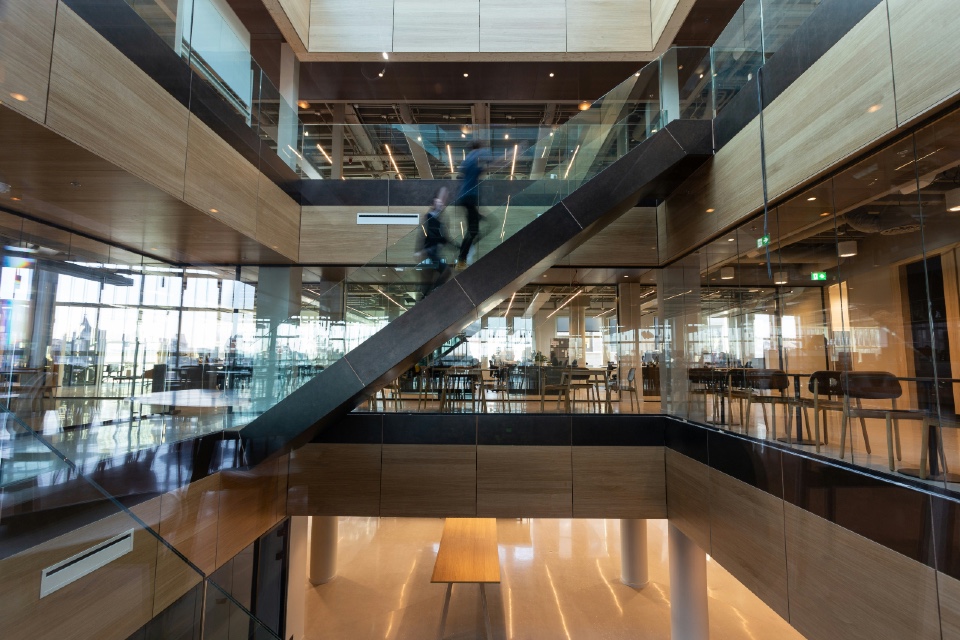
Photo by Rodeo Project Management Software on Unsplash