



Hybrid working has fundamentally changed how buildings are used across both the public and private sectors, creating new operational challenges for facilities management teams responsible for energy performance. While many organisations initially expected hybrid working to reduce overall energy consumption, the reality has proven more complex. Fluctuating occupancy patterns, inconsistent workspace usage and underutilised buildings are making energy forecasting and optimisation significantly more difficult…
For FM leaders, the challenge is no longer simply reducing consumption, but ensuring buildings operate efficiently despite unpredictable patterns of use.
The Problem of Heating and Powering Partially Occupied Buildings
One of the biggest issues facing FM teams is the continued operation of large office spaces that are only partially occupied for significant portions of the working week.
Many organisations still experience concentrated attendance on certain days, particularly midweek, while buildings remain comparatively quiet on Mondays and Fridays. However, heating, ventilation, lighting and core building systems often continue operating at near-full capacity regardless of actual occupancy levels.
This can create substantial energy waste, particularly in older buildings with limited zoning or automation capabilities.
Large multi-site estates face additional complexity, especially where occupancy varies significantly between locations or departments. Without accurate usage visibility, FM teams may struggle to align energy consumption with real operational demand.
Occupancy Analytics and Smart Building Technologies
As a result, many organisations are investing in occupancy analytics and smart building technologies to improve energy efficiency.
IoT sensors, smart access systems and workplace apps are increasingly being used to monitor how spaces are actually being utilised throughout the day. This data can then be integrated into building management systems (BMS) to support more dynamic control of heating, cooling and lighting.
For example, some organisations are using occupancy-led automation to:
- reduce HVAC usage in underutilised zones;
- optimise lighting schedules;
- adjust ventilation rates dynamically; and
- improve space planning decisions.
The ability to access real-time operational data is becoming increasingly valuable as FM teams seek to balance employee comfort, sustainability targets and operational costs.
Balancing Energy Efficiency with Workplace Experience
However, aggressive energy-saving measures can create unintended consequences if not managed carefully.
Poorly heated meeting rooms, inconsistent temperatures or inadequate ventilation can negatively impact workplace experience and employee satisfaction. This is particularly relevant as organisations continue encouraging staff back into offices and shared workspaces.
FM leaders therefore face a balancing act between improving efficiency and maintaining comfortable, productive environments.
Close collaboration between FM, HR, workplace experience and sustainability teams is becoming increasingly important to ensure operational decisions support wider organisational objectives.
Integration Challenges Across Estates Infrastructure
Many organisations also face technology integration challenges. Older buildings may rely on legacy BMS infrastructure that lacks interoperability with newer occupancy platforms or analytics tools. Data fragmentation between workplace apps, access control systems and energy management platforms can further limit visibility.
As a result, interoperability and scalability are becoming major considerations when selecting energy management solutions. FM leaders are increasingly prioritising suppliers that can demonstrate:
- integration with existing BMS and CAFM platforms;
- real-time analytics capabilities;
- flexible automation controls;
- strong cybersecurity standards; and
- scalable reporting tools across multi-site estates.
Energy Management Is Becoming More Dynamic
Looking ahead, hybrid working is likely to make energy management more dynamic and data-driven than ever before. Static building schedules and traditional operational assumptions are becoming increasingly ineffective in environments where occupancy patterns shift constantly.
The organisations most likely to achieve meaningful efficiency gains will be those that combine real-time visibility, integrated technology and flexible operational strategies to align building performance more closely with how workplaces are actually being used.
Are you searching for Energy Management solutions for your organisation? The Facilities Management Summit can help!
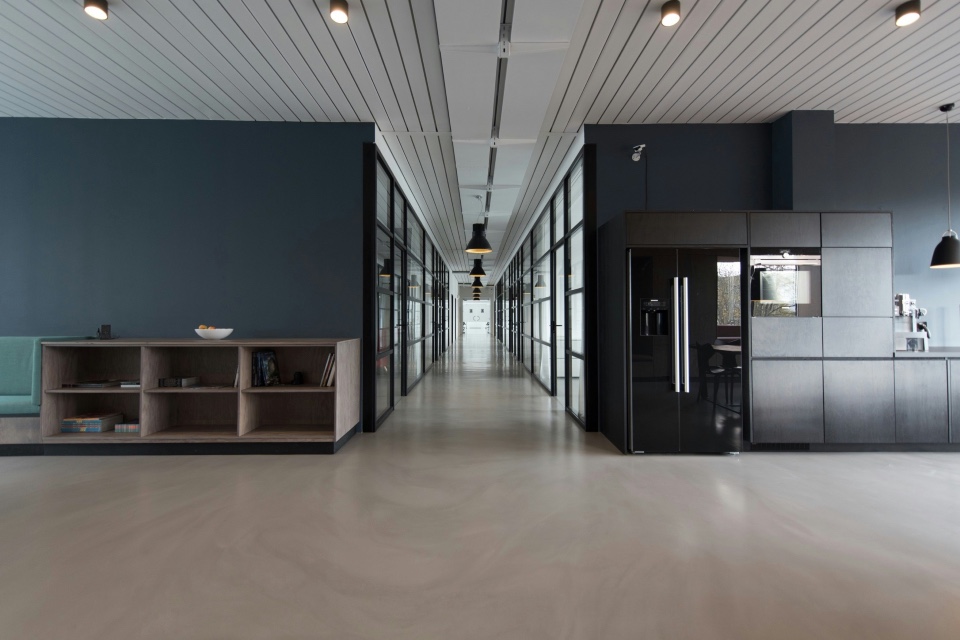
Photo by Nastuh Abootalebi on Unsplash