


Mike England, UK Rental Manager from Daikin Rental Solutions explores modern, cost-cutting solutions for the food and drink sector in 2026…
The food and drink sector is the UK’s largest manufacturing sector, with £24bn-worth of exports to more than 220 countries per year. The sector employs more than 486,500 people, with over £5.8bn business investment and a total turnover of £148bn.
But the sector isn’t stopping there! With ambitious plans to grow exports to £35bn, while doubling annual investment and positioning the UK as a global hub for food and drink innovation.
However, the UK’s 12,000 food and drink manufacturers are facing rising costs and intensifying competition from overseas, with business confidence falling to -60% in late 2025.
With the changing landscape placing financial pressure on food and drink manufacturers, what can be done to boost revenue and ensure manufacturing facilities remain competitive as growth continues?
1. Think smart about waste
Your focus might well be on your output, but being mindful of your manufacturing waste is vital when it comes to cutting costs. When it comes to food and drink manufacturing, waste isn’t just the food going into the bin, it’s a hidden drain on profitability that drives up various costs, including energy, raw ingredients, packaging and transport.
Mapping and measuring waste can help your business identify inefficiencies in production, storage and handling, allowing you to develop targeted improvements that reduce losses and cut costs.
For instance, one study reveals a food service manufacturer was able to reduce annual waste levels by 57 tonnes simply by improving storage practices, developing staff training and reviewing packaging, unlocking potential savings of £250,000 without major capital investment.
2. Get energy efficient
The UK government has set a Net Zero target for 2050, but the Food and Drink Federation (FD) has gone one step further, aiming for Net Zero status across the food system by 2040 – a whole 10 years ahead of the rest of the country.
Energy output accounts for around 15% of an average food and drink manufacturer’s total costs, and, with recent surveys revealing almost half of all food and drink businesses believe they aren’t fulfilling their sustainable product delivery promise, it’s clear this is an area ripe for cost-saving changes.
Switching to heat pumps and solar power for heating water or powering lighting is the ideal green swap that will also save money in the long run. Optimising and properly maintaining all industrial chillers, HVAC systems and freezers will also help reduce waste heat, enhance energy efficiency and ensure you aren’t over- or under-heating specialised storage areas.
Choosing highly efficient, modern rental HVAC systems, rather than buying an older system that requires expensive maintenance and upkeep, can save you money while also reducing your energy consumption by up to 30%.
3. Nurture UK-based connections
With real household disposable income set to fall dramatically from 3% to 0.25% annually in 2026, and consumer demand for cheaper items likely to grow, retailers are facing increasing pressure to reduce product prices.
Cheaper supermarkets are taking on a larger share of the market, reflecting customer buying habits. Indeed, discount options Aldi and Lidl have reached a combined market share of almost 20%.
As a result, retailers are opting for tighter supplier contracts. While this might seem like a worrying trend initially, there is a more positive view, with 60% of UK supermarkets now choosing local and UK-based suppliers in an effort to cut their own costs.
As a UK food and drink manufacturer, nurturing these retailer relationships will be vital to maintain high profit margins as consumer interest in cheaper products continues to rise.
4. Dive into AI
The ongoing AI revolution is affecting the food and drink industry in a significant way, from optimising supply chains to helping reduce waste and predicting potential issues before they affect business output – all of which helps drive profits.
It’s thought that the integration of AI could help boost productivity in the industry by up to 30%, with AI-powered systems assisting with everything from quality control to inventory management and machinery reliability.
Despite this, just 9% of manufacturers report attempting to improve their machinery with AI, highlighting a huge area for expansion. The potential to increase profit margins is clear, with AI enabling more efficient repetitive processes and freeing up human workers for more complex tasks.
5. Invest in staff training
No matter how good your AI systems are, they’re only as good as the people who are using them. Investing in positive staff training is one of the best ways to boost your revenue in the long run – especially for manufacturing businesses that utilise specialist production methods.
Research shows that when teams are highly engaged, they deliver 23% higher profitability. However, only 23% of employees worldwide can be described as highly engaged.
There is an obvious opportunity to increase profits and efficiency here, which dovetails perfectly with an AI-focused approach: have AI handle repetitive tasks and train your staff to focus on highly skilled roles.Whether you are looking to scale back your waste, switch to a more energy-efficient production method or get involved with the sector’s plans for growth in the coming years, these pointers will help you put your profit margin first, without compromising the quality of your products.
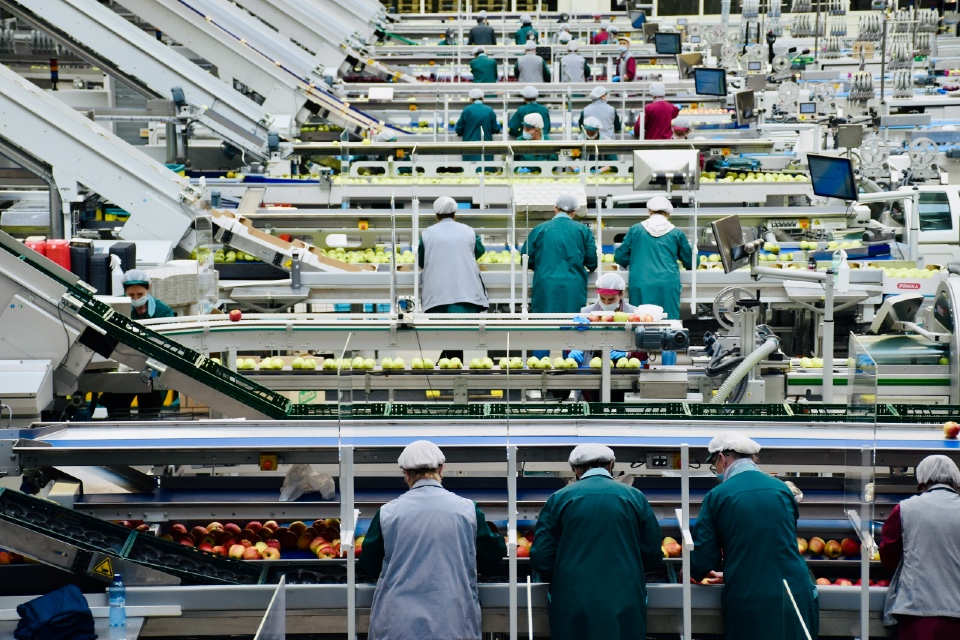
Photo by Arno Senoner on Unsplash