


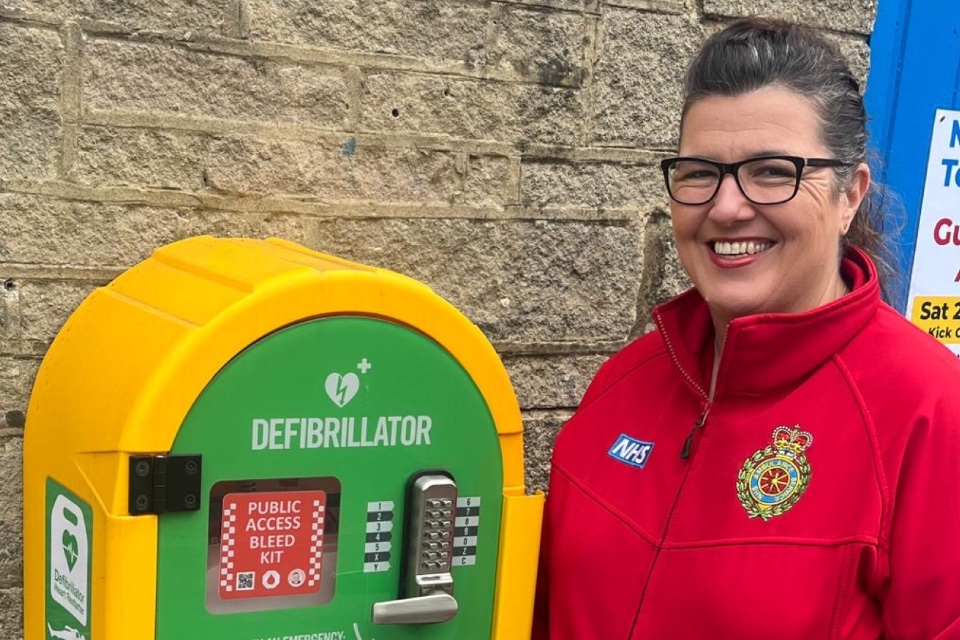
Michelle joined Defib4Life in 2020 after four years working in the industry. She has a passion for promoting and supporting anyone looking to place lifesaving AEDs in the community and is an East Midlands Ambulance Service Voluntary Community Trainer offering free CPR and defibrillator training to further ensure as many people as possible are trained with this lifesaving knowledge.…
Tell us about your company, products and services.
Defib4life Ltd provides life-saving defibrillators and associated training to workplaces and public environments. We support facilities managers by supplying, installing and maintaining critical emergency equipment, ensuring it is compliant, clearly visible and ready to use at all times. Our focus goes far beyond the products we supply. We help organisations build confidence, preparedness and a genuine culture of safety.
Alongside AEDs, we also support organisations with bleed control solutions including the ZOLL Mobilize Trauma Kit. These kits support immediate response to severe bleeding and traumatic injuries and now come hand in hand with defibrillators as part of a joined up emergency response strategy.
What have been the biggest challenges the FM industry has faced over the past 12 months?
Continued financial pressure, evolving compliance requirements and increasing expectations around wellbeing have been key challenges faced by facilities management teams over the last year. These teams are balancing operational resilience with tighter resources, while being held to higher standards of accountability and transparency.
We’re also seeing increased pressure to demonstrate emergency preparedness including cardiac arrest response and major bleed management which puts more responsibility on to FM team.
And what have been the biggest opportunities?
The growing recognition of FM as a strategic, people-focused function. There has been real momentum around health, safety and wellbeing, giving FM professionals greater influence in decision-making and long-term planning.
What is the biggest priority for the FM industry in 2026?
We think readiness is a huge priority in the industry. It’s essential for buildings, systems and people to be genuinely prepared in an emergency. They need to be more than just compliant on paper. They need to be capable in practice.
This means teams need to be prepared for a range of emergencies from cardiac arrest to traumatic injuries where rapid bleed control and AEDs can mean the difference between life and death.
What are the main trends you are expecting to see in the market in 2026?
There will be a greater emphasis on visible safety measures, proactive risk management and documented compliance. We’re also seeing wellbeing move from a “nice to have” to a measurable, auditable requirement.
What technology is going to have the biggest impact on the market this year?
Defibrillators with connected and smart monitoring technology are really coming to the forefront. We’re now seeing devices equipped with real-time tracking so you can see equipment status without having to be on-site. Maintenance and compliance is becoming an essential part of defibrillator ownership.
We’re also seeing trauma kits such as the ZOLL Mobilize Trauma Kit emerging which are designed to be user friendly and clear, even using an app to make the process clear to any bystander. This technology allows responders to act quickly and confidently in an emergency, something that’s essential in a traumatic situation.
In 2027 we’ll all be talking about…?
Accountability is essential. When it comes to lifesaving equipment and knowledge, knowing who is responsible, what’s in place and whether it actually works when it’s needed most is important and should be monitored. Having defibrillators and bleed control kits in place should be more than just a box ticking exercise, the equipment should be accessible, maintained and, ensure the people who may need to use it are aware and trained.
Which person in, or associated with, the FM industry would you most like to meet?
I’d love to meet leaders who have successfully embedded lifesaving equipment and emergency preparedness into standard building design and facilities management strategy. This is something that’s become really important so finding out how they’ve done it can help others too, potentially saving lives.
What’s the most surprising thing you’ve learnt about the FM sector?
Just how people-driven it is. Behind every system and process is a genuine commitment to protecting occupants and keeping people safe.
You go to the bar at the Facilities Management Summit – what’s your tipple of choice?
A classic gin and tonic. It’s dependable, well-balanced and always a safe choice.
What’s the most exciting thing about your job?
I love knowing that our work has a direct impact on saving lives. Every piece of equipment we supply and install could make a huge difference to someone’s life one day. When anyone buys a defibrillator, you always hope that you’ll never have to use it but, in the event that it is needed, it could genuinely save someone’s life.
And what’s the most challenging?
Changing perceptions is really difficult. We work hard to help organisations move from reactive thinking such as installing a defibrillator in the office because someone recently suffered a cardiac arrest, in case it happens again to proactive preparation. Having lifesaving equipment on-site just in case it’s ever needed is better than not having one when it is needed!
What’s the best piece of advice you’ve ever been given?
“Plan for the moment you hope never comes.”
Peaky Blinders or The Mandalorian?
The Mandalorian. I think the themes of the show embody the Defib4Life team and ethos; calm under pressure, prepared for anything and focused on protecting others.