

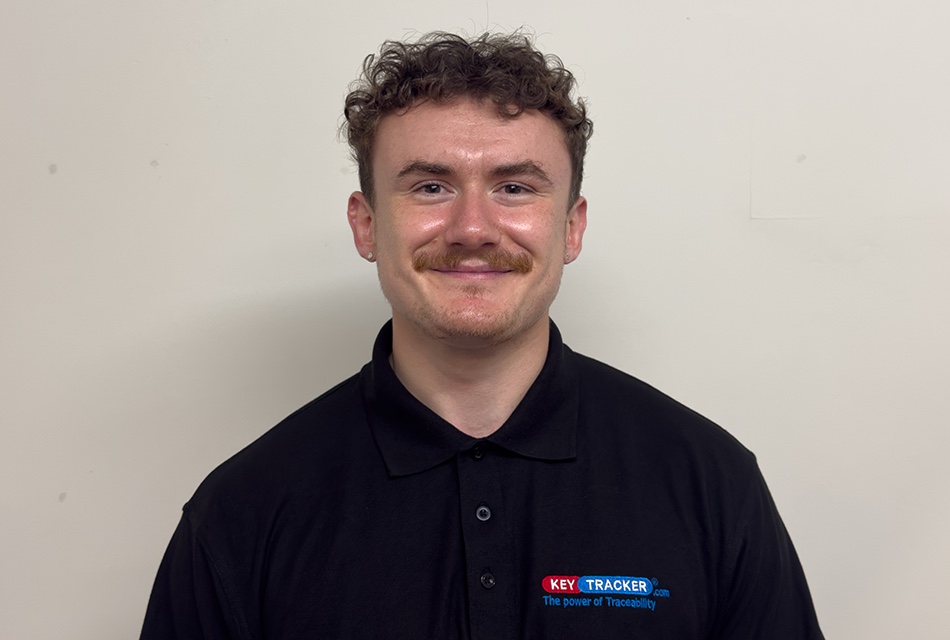
In the latest instalment of our 5 Minutes With… series, we speak to Liam Daunter, Sales Executive at KeyTracker, about the growing importance of automation, accountability and reliable data in FM. He shares his thoughts on the industry’s biggest challenges and opportunities, why smarter key management can make a significant difference to security and efficiency, and why the future of facilities management may depend less on exciting new technology and more on getting the fundamentals right…
Tell us about your company, products and services.
KeyTracker was established because keys go missing, and nobody notices until it matters. Since 1996 we’ve built the systems that prevent it: mechanical peg boards and cabinets through to electronic key cabinets, intelligent lockers and cloud software that logs every movement. Installed, trained, supported, and available to buy, rent or spread the cost.
What have been the biggest challenges the FM industry has faced over the past 12 months?
Three pressures, one team. Costs are up, compliance is stricter, and there are fewer people to carry it, around half of organisations report FM staff shortages, with the deepest gaps in compliance and digital skills. Hybrid working has made occupancy genuinely hard to predict on top of that.
And what have been the biggest opportunities?
Doing more with the same people. The sector’s answer to a labour shortage isn’t overtime, it’s automating the repetitive work, sign-outs, key chasing, evidence gathering. Every process that stops needing a human is capacity returned to the estate, and a risk retired at the same time.
What is the biggest priority for the FM industry next year?
Earning the right to be trusted with more. FM teams are being handed bigger responsibilities, safety, ESG reporting, operational resilience, while budgets stay flat. The priority is proving that trust is well placed, with records that stand up when somebody asks the awkward question.
What are the main trends you are expecting to see in the market next year?
Fewer pilots, more plumbing: connecting the systems that already exist so data actually flows between them. Compliance moving from an annual scramble to always-on. Mobile credentials and app-based access becoming the norm. And retrofit shifting from ambition to capex planning ahead of the 2031 EPC B target.
What technology is going to have the biggest impact on the market this year?
The unglamorous kind that finally works: cloud software sitting over physical access, so a key, a tablet or a set of plant keys leaves a record. AI is the headline, but reliable data is the foundation and plenty of estates are still missing it.
Next year we’ll all be talking about…?
Evidence. Who can prove what, to whom, and how quickly. Martyn’s Law will bring that into sharp focus for public-facing premises, but the underlying question, can you show your work? Now applies to every compliance conversation in FM.
Which person in, or associated with, the FM industry would you most like to meet?
Andrew Hulbert, who has used the IWFM chair to push the profession past service levels and into bigger questions about its people and its purpose. And any FM who has run a night-shift rollout, they know things no conference stage ever covers.
What’s the most surprising thing you’ve learnt about the FM sector?
That the most secure building in a portfolio can still be undone by a key on a hook. We’ve stood in sites with biometric entry and watched a contractor sign for a riser key with a biro. The gap between digital security and physical key control is the widest in the industry.
You go to the bar at the Facilities Management Forum – what’s your tipple of choice?
Whatever’s local and cold. We’re a Midlands company, so a Black Country ale is the safe answer.
What’s the most exciting thing about your job?
The moment a customer says nobody argues about keys anymore, because everyone can see who has what
And what’s the most challenging?
Proving a negative. Our systems are judged by incidents that never happen, so the case is built on risk avoided rather than revenue gained. That takes patience, and a customer willing to think beyond the next quarter.
What’s the best piece of advice you’ve ever been given?
Spend a day on site before you spend a penny on the solution. It came from an operations manager years ago and it has never been wrong, the people handing out the keys will tell you what the real problem is inside ten minutes.
Peaky Blinders or The Mandalorian?
Peaky Blinders, Small Heath is down the road.