
For commercial property portfolios, maintenance has traditionally been a balancing act between reactive response and planned preventative programmes. That model is being reshaped by technology. From next-generation CMMS platforms to IoT sensors and digital twins, leaders attending the FM Forum have more tools than ever, but also more noise to cut through. The challenge is no longer access to technology. It’s identifying what genuinely delivers operational value…
CMMS: from record-keeping to decision-making
Computerised Maintenance Management Systems (CMMS) have evolved well beyond digital job logs. Modern platforms now integrate asset registers, lifecycle tracking, contractor management and compliance scheduling into a single interface.
In leading commercial estates, CMMS is being used to inform capital planning as well as day-to-day task allocation. By analysing asset failure rates, mean time between repairs and total cost of ownership, FM teams can move conversations from “fix it” to “replace or refurbish strategically”.
The key trend in 2026 is integration: linking CMMS with finance systems, building management systems (BMS) and sustainability reporting tools to provide a unified estate view.
Predictive maintenance: reducing unplanned downtime
Predictive maintenance is gaining traction in high-value commercial assets such as HVAC, lifts and critical plant. Using condition-based monitoring and performance data, FM teams can intervene before failure occurs.
However, predictive capability is only as strong as the data feeding it. Successful deployments focus on high-impact assets first, rather than blanketing entire estates with sensors. In commercial property, the business case is strongest where downtime affects tenants directly or disrupts revenue-generating activity.
IoT sensors: targeted, not everywhere
IoT sensors are increasingly used to monitor temperature, humidity, vibration and occupancy. In multi-tenant buildings, this supports proactive maintenance and improved comfort management.
Yet in 2026, experienced FM leaders are cautious about over-deployment. Sensors should solve a defined problem, whether that’s detecting leaks early, monitoring plant performance or optimising cleaning schedules, rather than being installed as a blanket innovation exercise.
Digital twins: practical use cases emerging
Digital twins (virtual representations of buildings) are moving from concept to practical application. In commercial property, they are most valuable for large, complex estates where modelling can support refurbishment planning, energy optimisation and scenario testing.
The risk lies in over-investment without operational ownership. A digital twin must be maintained, updated and actively used to justify its cost.
Separating value from hype
The strongest FM strategies focus on outcomes: reduced downtime, lower lifecycle costs, improved compliance and better tenant satisfaction. Technology is an enabler, not the objective.
For commercial property portfolios, the maintenance toolkit is expanding, but success lies in disciplined deployment, integration and clear governance. The smartest estates teams are not adopting every tool available. They are choosing the ones that deliver measurable impact.
Are you searching for Building Maintenance & Refurbishment solutions for your organisation? The FM Forum can help!
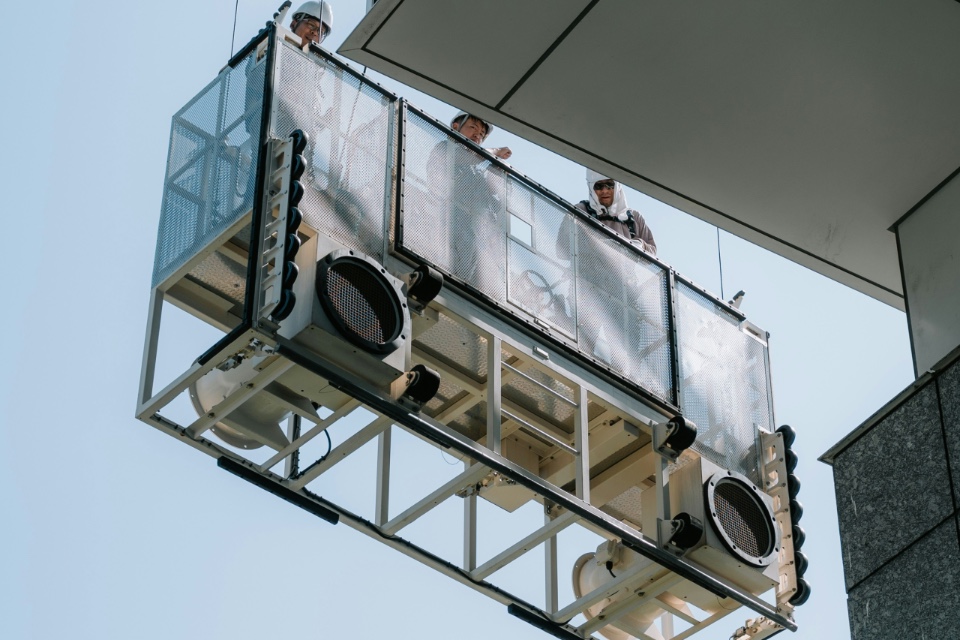
Photo by Takashi Sakamoto on Unsplash