

With a 12-hour snowstorm said to rival the infamous ‘Beast from the East’ predicted to hit the UK as early as 8 February, bringing with it up to 65cm of freezing snow, it’s more important than ever to be prepared.
We caught up with Mike England, UK Rental Manager at Daikin Rental Solutions, to find out more about what we might be facing over the coming weeks, from freezing temperatures to worries for critical care environments…
“The Climate Change Committee has warned that we are not prepared for the effects of climate change as a country, and the bad weather predicted for 2026 is set to be an unwelcome example of how far we still have to go.
“With the potential to leave disaster in its wake, this new storm could see snowy conditions covering the country, from southern England, all the way across the Midlands, Wales, Scotland and northern England. Edinburgh, Newcastle, Birmingham and Liverpool are thought to be in the direct path of the blizzard, so should brace for difficult conditions.
“Plus, as temperatures plummet and the potential for power cuts soar, we see a whole new set of issues rise – especially within certain sectors.”
Offices
“With only 28% of UK adults adhering to a hybrid working model at the beginning of last year (combining working from home and working in an office), it’s clear that a fair few of us are still heading into our office most days of the week.
“Considering we’re likely to see temperatures as low as -4°C in some areas at the beginning of February, offices need to make sure they’re prepped for very cold employees trying to commute through snow, wind and rain.
“The government says that working environments should be kept at a minimum of 16°C, but many of us prefer a much toastier office. 64% of employees refer to their office temperature as uncomfortable, with 42% of office workers wearing coats and scarves indoors.
“15% use heaters at their desks or actually leave their workplace early, due to discomfort caused by temperature. To ensure productivity and encourage staff members to make the soon-to-be treacherous journey into the office, employers need to ensure they are heating the space efficiently during the cold snap.”
Emergency/Critical Care
“The Met Office has already issued multiple weather warnings within the first month of 2026, with further predictions of rain and strong winds in force for the beginning of February. Disruption of this nature is unsettling for everybody, but especially for those within the emergency and critical care sectors.
“All NHS hospitals are required to ensure critical systems are back up and running after a maximum of 15 seconds, to ensure the welfare of patients. However, with many hospitals seeing 95% of their beds full towards the end of last year, the freezing temperatures are likely to put even further pressure on our NHS.
“Even if the hospitals themselves are ready for potential power cuts, they are still likely to face an influx of patients who have been severely affected by the oncoming storms themselves, whether that be because their own homes have lost power, through a snow- or ice-related fall or accident, or due to health conditions brought on by plummeting temperatures.
“Other care institutions, such as care homes, should also ensure they have a backup option in case their power cuts out. With vulnerable and medically reliant residents, ensuring a consistent temperature and access to essential health aids powered by electricity is not only desirable, but could be life-saving in certain situations.”
Food and Drink
“With the threat of power cuts comes instant stress for those in the food and drink business. Whether you’re a café, restaurant or food-based factory, loss of power means potential loss of goods and, therefore, profit.
“We tend to see an increase in the number of businesses within the food and drink sector dealing with emergency power outages or failures during events like these.
“Ensure you swerve the potential loss of earnings and spoiled goods by investing in a back-up generator, as well as checking all refrigerators and industrial chillers are running at optimal capacity, pre-empting any potential issues before they take hold.”
Tips for surviving the Beast from the East
Wondering how you can best protect your office and your employees from the coming bad weather? Check out Mike’s five top tips:
- Make sure your thermostat is on a constant, medium temperature to prevent shocking cold pipes and causing issues. Instead of switching between an extreme on-off cycle, keep your office temperature at a constant level that works for the majority.
- Plan ahead as much as possible. Ensure you have emergency lighting and illuminated access routes in place where needed to keep your staff safe during a power cut – especially if you often have staff arriving early or working late.
- Pop a bucket of grit by the front door. No more dangerous slips while crossing the car park at the end of the day! Simply encourage your staff to sprinkle some grit in front of them as you go and prevent those unwanted trips to A&E.
- Check in with your team. Storm conditions can make the daily commute difficult and even dangerous. Encourage your staff to come forward if they’re having issues making it into the office and always consider the potential for remote or hybrid working during bad weather conditions. You should also make sure that everyone is warm enough when sat at their desk. Provide portable heaters, heating pads and more to keep everyone at their optimal temperature.
- Encourage movement. Sitting at a desk for hours isn’t great for circulation and will make your team feel even colder. Encourage everyone to move around at least once every hour – whether that’s a quick walk to the kitchen for a cuppa or a walk-and-talk meeting, instead of a sit-down one.
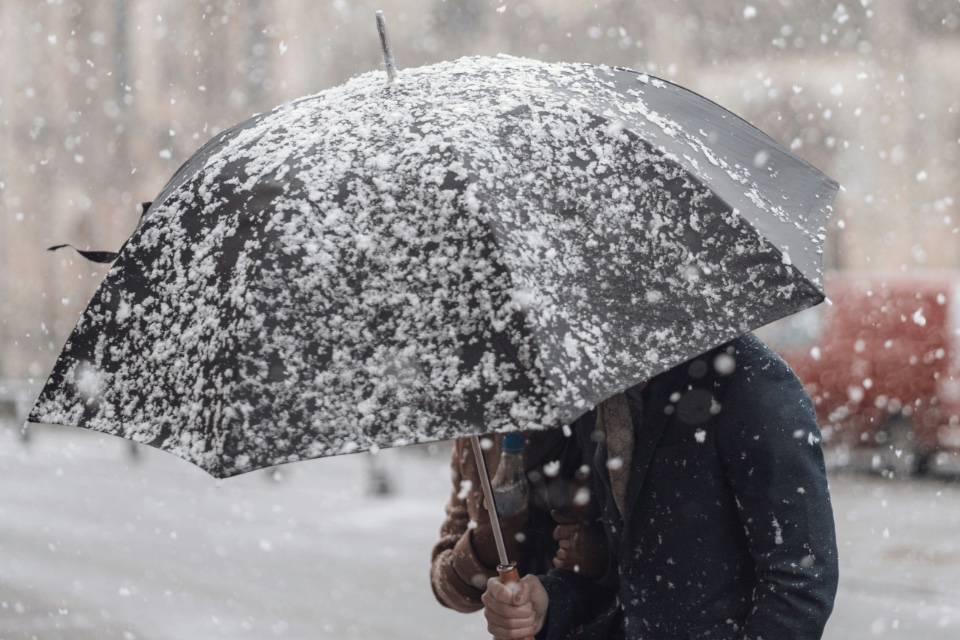
Photo by Craig Whitehead on Unsplash