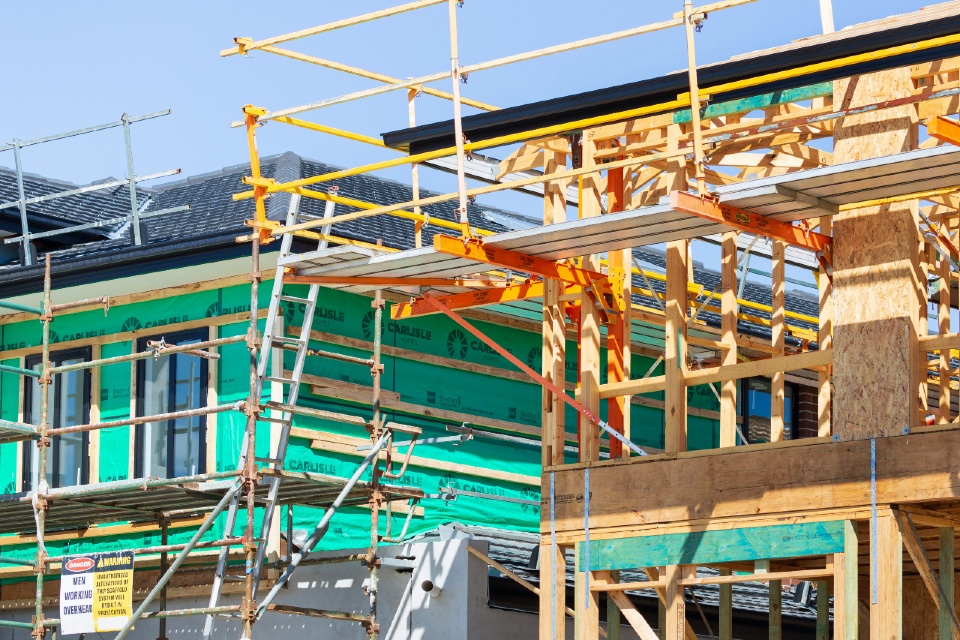



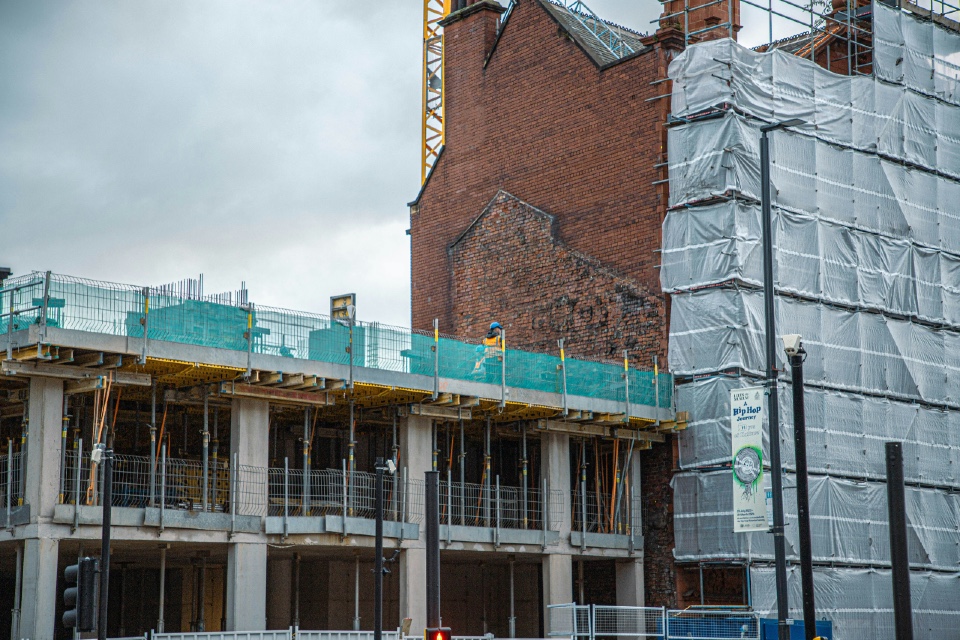
Small construction businesses are emerging as key drivers of sustainability in 2026, with new research highlighting growing pressure from customers that is likely to ripple across the sector and its supply chains.
According to Novuna Business Finance, 88% of small construction business owners say committing to sustainability is personally important this year, with nearly half taking either strategic or practical steps to embed greener practices into their operations. This includes 24% developing formal sustainability plans and 25% focusing on day-to-day improvements.
The findings signal a shift in expectations among contractors and suppliers. Notably, 27% of SMEs cite customers as the biggest influence on their sustainability efforts, ahead of internal drivers such as staff (26%). This reflects a growing trend where sustainability is no longer top-down, but increasingly shaped by client demand and end-user expectations.
The research also highlights the specific areas where construction SMEs are focusing their efforts. Waste reduction and recycling top the list (38%), followed by delivering positive social impact in local communities (37%). Investment in local supply chains (17%) and job creation (13%) are also emerging priorities: areas that closely align with ESG targets in FM procurement and contract delivery.
Despite ongoing economic pressures, confidence in the sector is improving, with growth forecasts among construction SMEs rising from 17% at the end of 2025 to 24% at the start of 2026. This suggests sustainability is being viewed not as a cost burden, but as a route to resilience and efficiency.
Industry voices cited in the research emphasise the practical nature of this shift. From reducing material waste to optimising logistics and reusing resources, small firms are embedding sustainability into everyday decision-making rather than treating it as a standalone initiative.
As sustainability expectations increasingly originate from customers and communities, organisations will need to work more closely with SME contractors to align on shared goals, data and outcomes.
With smaller suppliers often taking a more proactive role, FM leaders have an opportunity to harness this momentum, embedding sustainability deeper into supply chains while supporting partners to scale practical, cost-effective solutions.
Photo by Julian Tong on Unsplash