


For healthcare estates, cleaning is a frontline patient safety function. NHS trusts and private healthcare providers are navigating rising cost pressures, tightening compliance expectations and persistent workforce challenges, all while maintaining the highest possible hygiene standards. For leaders attending the FM Forum, balancing these demands requires strategic planning rather than reactive cost-cutting…
Cost pressure without compromise
Inflationary pressures, living wage uplifts and supply chain volatility have all increased the cost base of healthcare cleaning contracts. At the same time, infection prevention standards remain non-negotiable.
The risk for estates teams is that short-term savings (reduced hours, stretched teams or lower-grade consumables) create long-term clinical and reputational risk. Instead, leading organisations are focusing on smarter resource allocation: aligning cleaning frequency with risk level, zoning facilities by clinical priority and reviewing specifications to eliminate duplication without reducing standards.
Compliance and audit scrutiny
Healthcare cleaning is subject to rigorous oversight, including CQC inspection and internal infection prevention audits. Documentation, training records and performance monitoring must stand up to scrutiny.
Digital auditing tools are increasingly used to evidence compliance. Real-time reporting, task verification and centralised dashboards allow FM leaders to demonstrate adherence to standards across complex, multi-site estates.
Clear service-level agreements (whether services are in-house or outsourced) are essential to avoid ambiguity over responsibility.
Workforce shortages and retention
Labour shortages remain one of the most pressing challenges. Cleaning roles in healthcare are physically demanding and often under-recognised, yet they are critical to safe clinical environments.
Retention strategies are becoming more sophisticated, focusing on training, career progression pathways and improved engagement. In-house models can offer greater control over culture and training consistency, while outsourced models may provide scalability and specialist expertise, but both require active contract management.
Workforce wellbeing is also critical. Fatigue and turnover can directly affect cleaning quality and infection control outcomes.
In-house versus outsourced: a strategic decision
Healthcare providers continue to debate in-house versus outsourced cleaning. Cost is only one factor. Considerations now include compliance oversight, flexibility, workforce stability and alignment with infection control teams. Hybrid models, with core in-house teams supported by specialist contractors, are also emerging.
Strategic oversight in a high-risk environment
Healthcare cleaning cannot be managed purely as a cost centre. For senior FM professionals, the focus must remain on resilience, compliance and workforce stability.
Under pressure, the organisations that succeed will be those that protect standards, invest in people and treat cleaning as an essential pillar of safe patient care.
Are you searching for Cleaning & Hygiene solutions for your organisation? The Facilities Management Forum can help!
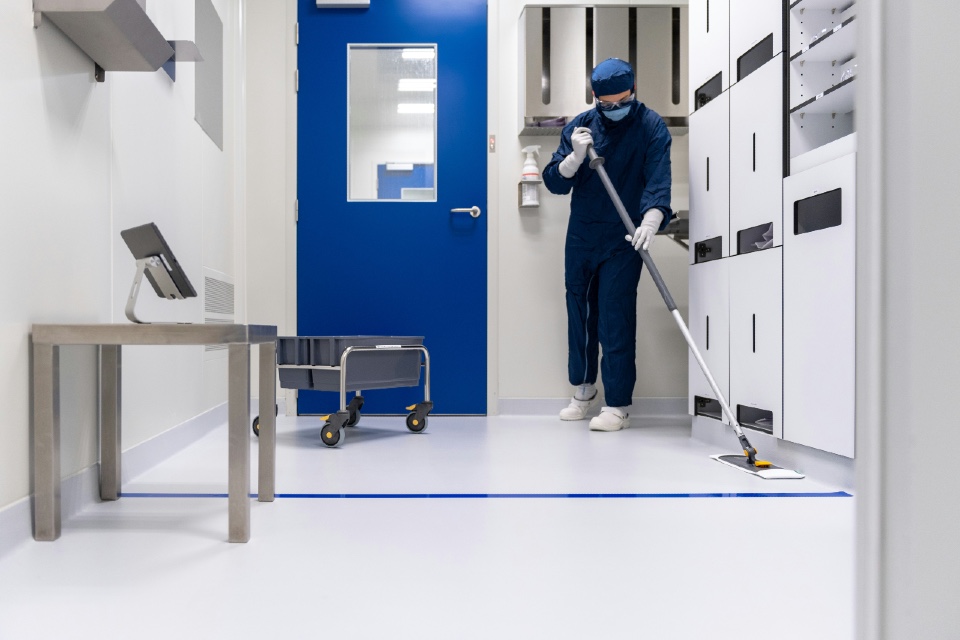
Photo by Toon Lambrechts on Unsplash