


For FM leaders overseeing multi-site commercial portfolios, expectations around cleanliness have shifted dramatically in recent years. A space that simply looks clean is no longer enough. Boards, tenants and clients increasingly want proof that hygiene standards are being maintained consistently across buildings. As a result, the sector is moving from traditional visual inspection towards data-driven, verifiable cleaning performance…
The limits of visual inspections
Historically, cleaning quality has been assessed through supervisor walkthroughs and checklist-based inspections. While these methods still play a role, they rely heavily on subjective judgement and offer limited visibility across large property portfolios.
For organisations managing multiple offices, retail locations or mixed-use sites, proving consistent hygiene performance can be challenging without objective measurement tools.
ATP testing and scientific validation
One technology gaining traction is ATP (adenosine triphosphate) testing, which measures organic residue on surfaces to indicate potential microbial contamination.
ATP testing allows facilities teams to validate whether cleaning has effectively removed biological material from high-touch surfaces such as door handles, lift buttons and shared equipment. Results are available within seconds, providing an immediate benchmark for cleaning effectiveness.
For FMs, the value lies in being able to demonstrate that hygiene standards are being verified scientifically rather than assumed.
Data-led audits and performance tracking
Digital audit tools are also transforming how cleaning performance is monitored. Mobile inspection apps and digital reporting platforms allow supervisors to conduct audits in real time, upload evidence such as photographs, and track compliance across multiple sites.
Over time, these systems build a dataset that helps facilities leaders identify trends: for example, recurring issues in particular locations or shifts where standards dip.
This insight allows cleaning contracts and operational processes to be refined based on performance data rather than anecdotal feedback.
Demonstrating value to stakeholders
For commercial property portfolios, hygiene standards are increasingly linked to occupant wellbeing, brand reputation and tenant confidence.
Having verifiable data allows facilities teams to present clear evidence of cleaning performance to building owners, corporate clients and health and safety teams. In sectors such as healthcare-adjacent offices, hospitality or shared workspaces, this transparency is becoming a competitive differentiator.
The future of hygiene management
As buildings become more digitally connected, hygiene monitoring is expected to integrate further with wider facilities systems, including occupancy data and smart building platforms.
For FMs, the shift from visible to verifiable cleanliness represents more than a compliance exercise. It reflects a broader move toward evidence-based facilities management, where hygiene standards are measured, reported and continuously improved across entire portfolios.
Are you searching for Cleaning & Hygiene solutions for your organisation? The Facilities Management Forum can help!
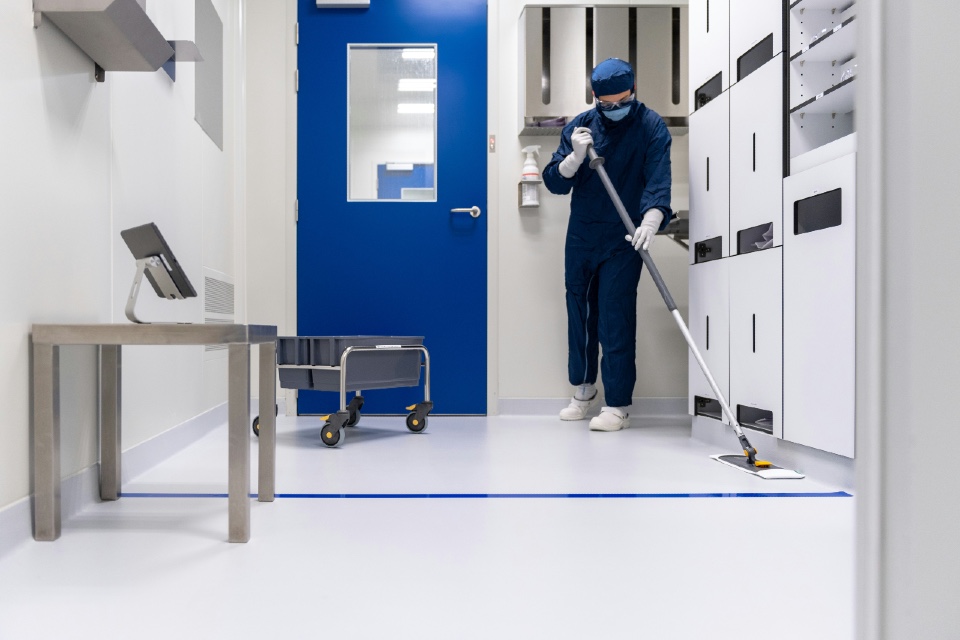
Photo by PuroClean of Fort Worth on Unsplash