

For commercial property portfolios, the past few years have fundamentally reshaped how buildings are used. Hybrid working, fluctuating occupancy and evolving tenant expectations mean that static, long-term facilities management models are increasingly out of step with reality. The focus for landlords and occupiers alike attending the FM Forum is now on building flexibility into Total Facilities Management (TFM) contracts to ensure services can adapt as estate needs change…
The challenge of variable demand
Commercial buildings are no longer operating at consistent capacity. Office occupancy may vary by day of the week, while mixed-use developments face shifting patterns of footfall across retail, leisure and workspace.
This creates challenges for traditional TFM models, which are often based on fixed service levels and predictable usage. Over-servicing leads to unnecessary cost, while under-servicing risks poor tenant experience and asset degradation.
Moving towards demand-led service models
To address this, organisations are shifting towards demand-led FM, where services flex in line with actual building usage.
This might include:
- Dynamic cleaning schedules based on occupancy data
- Adjusted security presence aligned with footfall patterns
- Responsive maintenance prioritisation based on asset usage
Technology plays a key role here, with occupancy sensors, BMS data and CAFM platforms providing the insight needed to align services with real demand.
Building flexibility into contracts
Creating flexibility requires a rethink of how TFM contracts are structured. Rather than rigid specifications, leading agreements now include:
- Variable service bands linked to occupancy or usage levels
- Mechanisms for scaling services up or down without full renegotiation
- Outcome-based KPIs focused on performance rather than inputs
This allows both clients and suppliers to respond more effectively to changing conditions while maintaining cost control.
Collaboration over rigidity
Flexible TFM models depend on strong client–supplier relationships. Open communication, shared data and joint planning are essential to ensure both parties can adapt quickly.
Regular contract reviews and performance discussions help identify where adjustments are needed, avoiding the lag that can occur with more traditional, fixed agreements.
Managing risk and consistency
While flexibility is critical, it must be balanced with consistency and compliance. Core services (particularly those related to health and safety, statutory maintenance and security) must remain robust regardless of occupancy levels.
Clear governance structures and defined minimum service standards help ensure that flexibility does not compromise essential operations.
Supporting evolving commercial estates
For commercial property leaders, the ability to adapt is now a competitive advantage. Tenants expect spaces that are efficient, responsive and aligned with how they actually work.
By embedding flexibility into TFM contracts, organisations can better manage cost, improve service delivery and future-proof their estates against ongoing change.
In a market defined by uncertainty, the most effective FM strategies are those that can scale: not just in size, but in responsiveness.
Are you searching for Total FM solutions for your organisation? The facilities Management Forum can help!
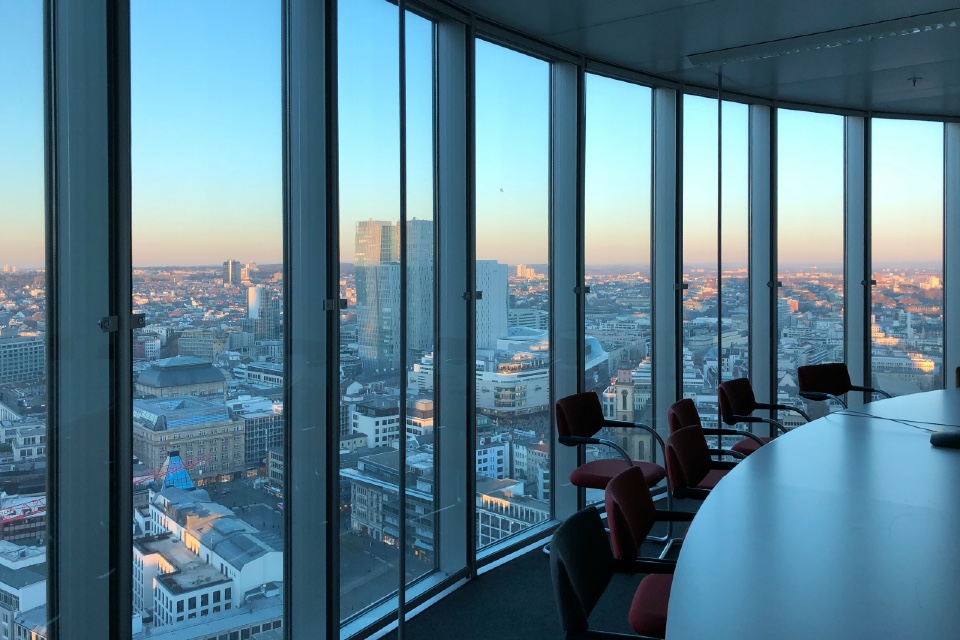
Photo by Yibei Geng on Unsplash